In today’s educational landscape, teachers are continuously searching for ways to tailor instruction to meet the individual needs of their students. One increasingly popular tool that helps teachers achieve this goal is the NWEA MAP (Measures of Academic Progress) assessment. This computer-adaptive test provides teachers with valuable data on student performance, enabling them to make informed decisions about instruction and identify areas where students may need additional support. By leveraging MAP scores, educators can ensure that each student receives the right level of challenge and assistance, ultimately fostering academic growth.
What is NWEA MAP?
The NWEA MAP is a diagnostic test that measures a student’s academic progress in subjects like mathematics, reading, language usage, and science. Unlike traditional assessments that are fixed in difficulty, MAP is a computer-adaptive test, meaning the difficulty of the questions adjusts based on a student’s responses. If a student answers a question correctly, the test presents a more challenging one; if they answer incorrectly, the questions become easier. This dynamic approach allows the test to provide a more accurate reflection of a student’s abilities, pinpointing their current level of achievement.
The results of the MAP test are reported in RIT (Rasch Unit) scores, a scale that measures student growth over time. RIT scores are valuable because they are not tied to a specific grade level. This means that teachers can track a student’s progress at any point in their academic career, from elementary through high school. These scores are then used to help inform instructional decisions and set meaningful learning goals.
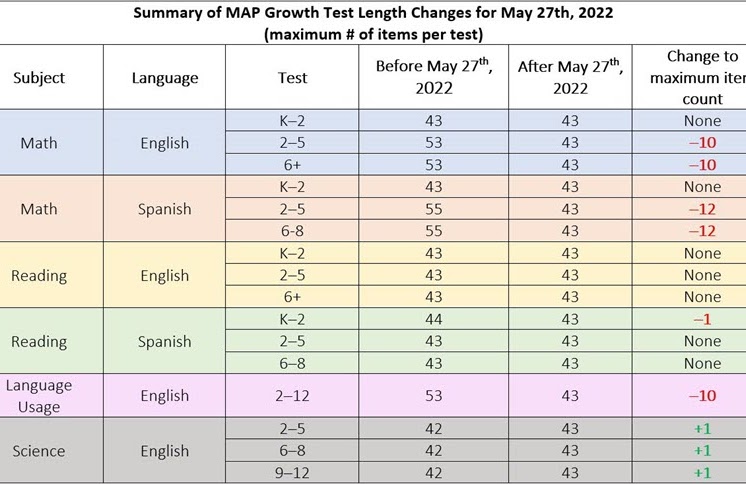
Using MAP Scores to Guide Instruction
The primary benefit of nwea math score chart 2024 is that they offer teachers immediate, actionable insights into a student’s strengths and weaknesses. Once the test is completed, educators receive detailed reports that break down individual performance, highlight areas of growth, and pinpoint specific skills that need attention. This data is powerful because it allows teachers to move beyond generalized assumptions about a student’s abilities and focus on what each learner specifically needs to succeed.
- Differentiating Instruction
One of the most important ways that teachers use MAP scores is to differentiate instruction. Differentiation involves tailoring lessons and activities to meet the diverse needs of all students in the classroom. Since each student performs differently on the MAP test, the data provides a roadmap for creating personalized learning experiences. For example, a student who scores significantly higher in reading comprehension than in vocabulary can be given advanced reading materials while receiving additional vocabulary support.
On the other hand, students who may be struggling with a particular subject area can benefit from targeted interventions. Teachers can group students with similar scores together and provide small group instruction or individualized support. This approach ensures that no student is left behind, and every learner is challenged at an appropriate level.
- Monitoring Student Growth
Another valuable aspect of NWEA MAP scores is the ability to track student growth over time. The test is administered multiple times throughout the school year, typically at the beginning, middle, and end. This allows teachers to see how much progress a student has made in specific academic areas, which can help inform future instruction.
For instance, if a student has shown significant growth in math but little progress in reading, the teacher can adjust the focus of upcoming lessons to address that area of need. This ongoing assessment and adjustment process is essential for fostering continuous improvement. Teachers can celebrate progress while addressing any remaining gaps in learning.
- Setting Individual and Class-wide Goals
MAP scores also play a crucial role in goal setting, both for individual students and entire classrooms. Teachers can use the results to identify realistic, measurable goals for each student based on their current abilities. These goals may include mastering certain skills, improving overall performance, or increasing the rate of academic growth.
Classroom-wide goals can also be established, helping to foster a sense of collective achievement. For example, a teacher might set a goal for the entire class to increase their average RIT score in reading by a certain amount by the end of the year. By having clear, data-driven goals, both students and teachers can stay motivated and focused on academic progress.
- Supporting Communication with Parents
MAP scores also enhance communication between teachers and parents. With access to specific data on their child’s performance, parents are better equipped to understand their child’s academic strengths and areas for improvement. Teachers can share MAP results during parent-teacher conferences and offer insights into how the data will guide instruction moving forward.
This transparency helps build trust between educators and families, as parents feel more involved in their child’s learning journey. Additionally, parents can use the data to support their child’s academic growth at home, whether through extra practice in a specific subject or encouraging reading at an appropriate level.
Conclusion
Incorporating NWEA MAP scores into the classroom allows teachers to create a more personalized, responsive learning environment. By using these scores to guide instruction, educators can differentiate lessons, track student growth, set meaningful goals, and strengthen communication with parents. Ultimately, the goal is to ensure that every student receives the support they need to succeed, and the MAP test is an invaluable tool in making that a reality.
 Nwea Map Test Scores 2025-2026